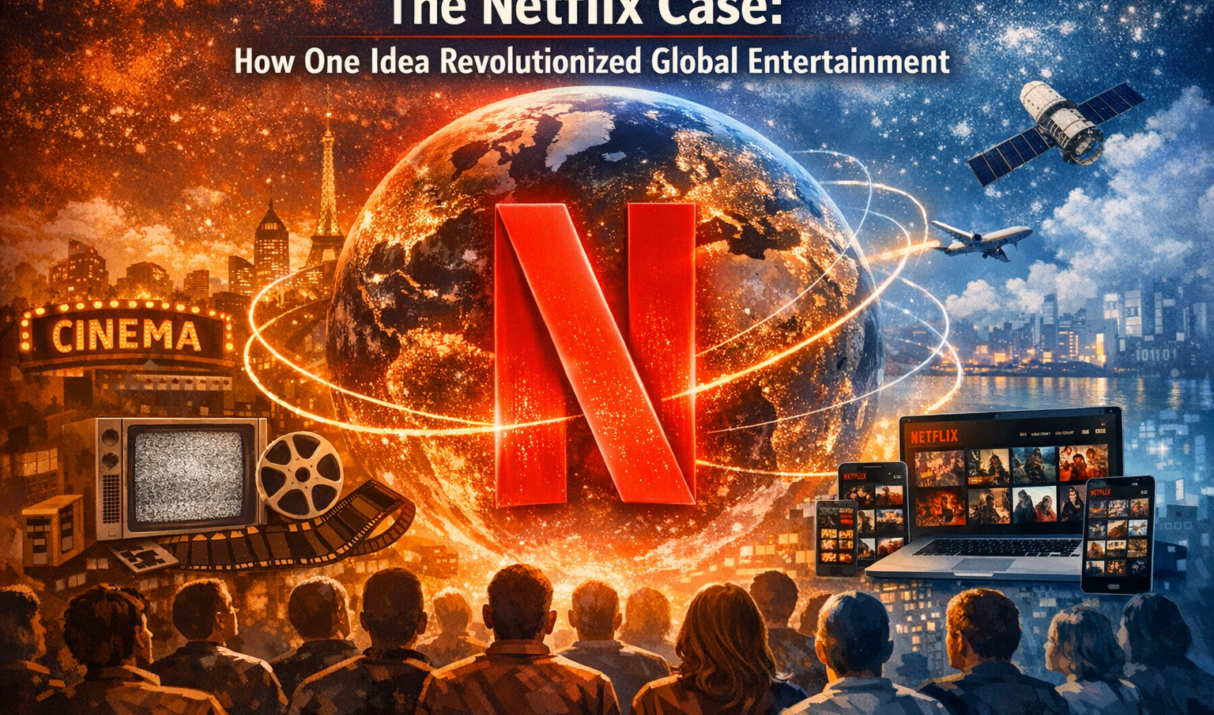

At the end of the 1990s, the global entertainment industry was dominated by traditional models:movie theaters, broadcast television, cable networks, and physical video rental stores.Consumers adapted their habits to rigid schedules, late fees, and limited content availability. Inthis context, Netflix emerged as a small startup with a seemingly simple idea: making movieseasier to access for
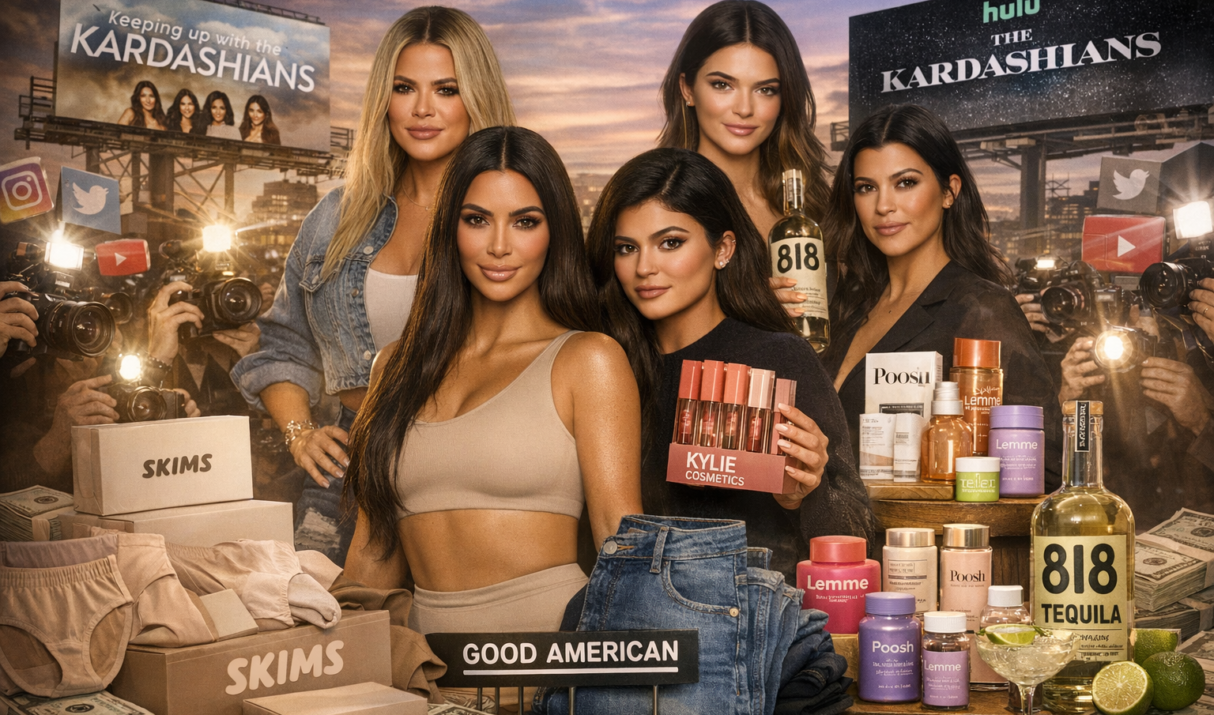

What began as a reality television experiment in the late 2000s has evolved into one of the most sophisticated influence-driven business ecosystems in contemporary media. The Kardashian–Jenner family did not simply become famous; they transformed fame into a scalable economic system, converting visibility into infrastructure and attention as a long-term value. Their trajectory illustrates how
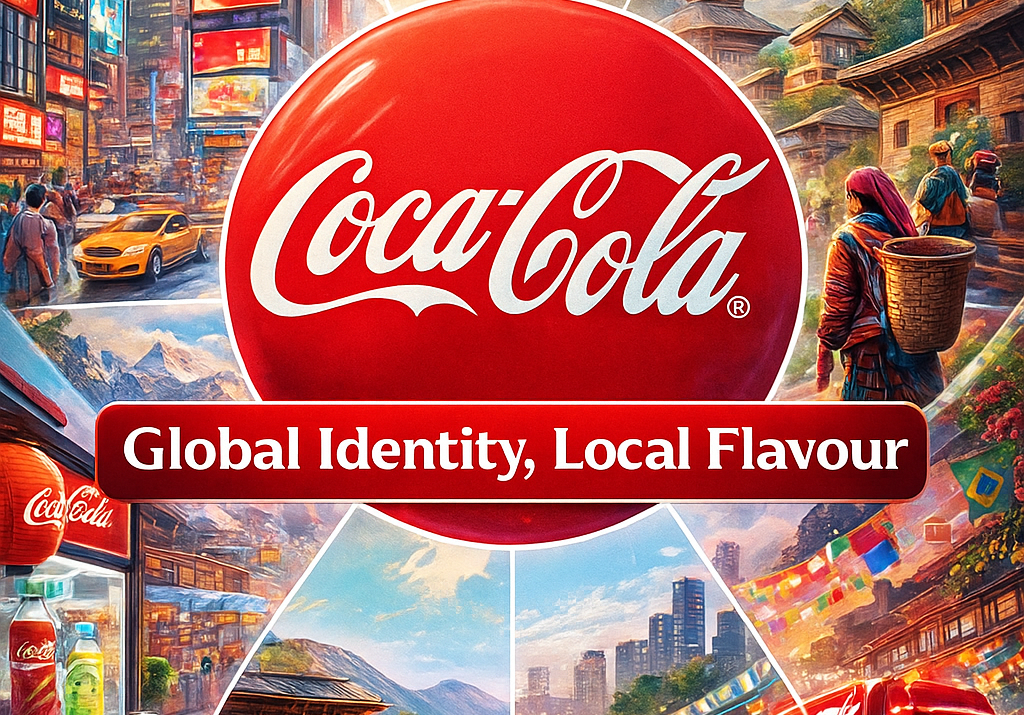
Few brands in the world can claim to be as universally recognisable as Coca – Cola. From thebustling streets of New York to the remote villages of Nepal, the familiar red-and-white logo is asymbol that transcends language, culture and geography. But what allows Coca-Cola to speakevery language? The answer lies in a very careful and
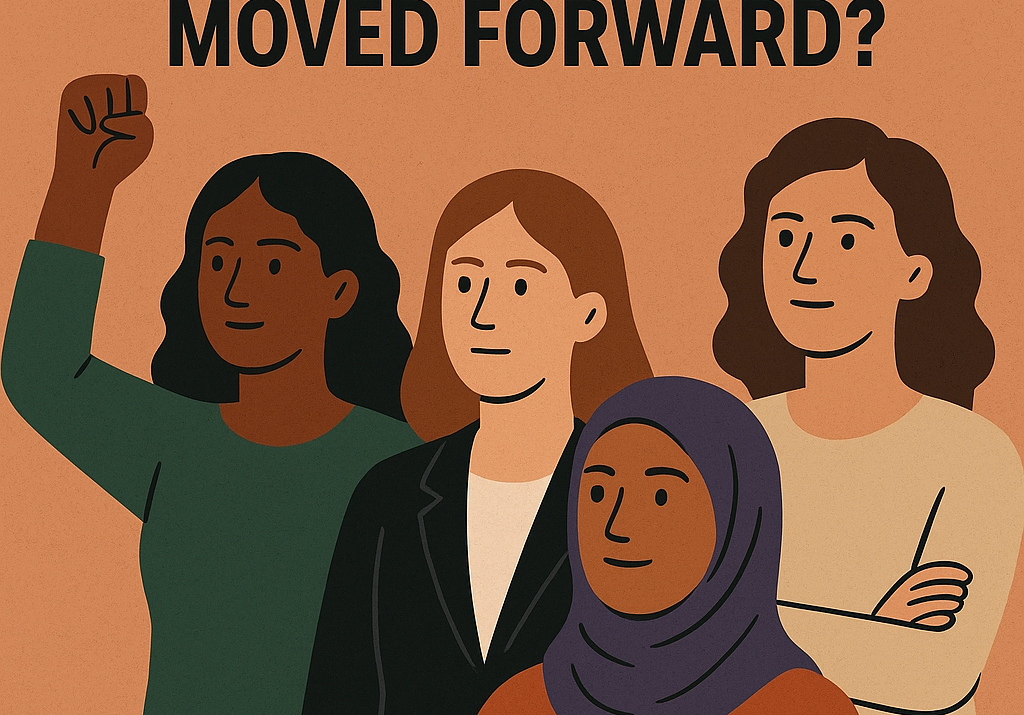
First, in the modern business landscape the concept of D&I (diversity and inclusion) has evolved from corporate buzzwords into fundamental pillars of organizational success. The term appeared for the first time around 2019, continuing its development even nowadays. It is a strategy of inclusion, whose principal concern are people and, for this reason, it fits


As often happens following the death of a great founder, a delicate period begins inwhich the choice of a successor and the continuity of the entrepreneurial vision comeinto play. With foresight, “King Giorgio” planned the future of his empire well inadvance. “I want the fruit of so much hard work, this company to which I