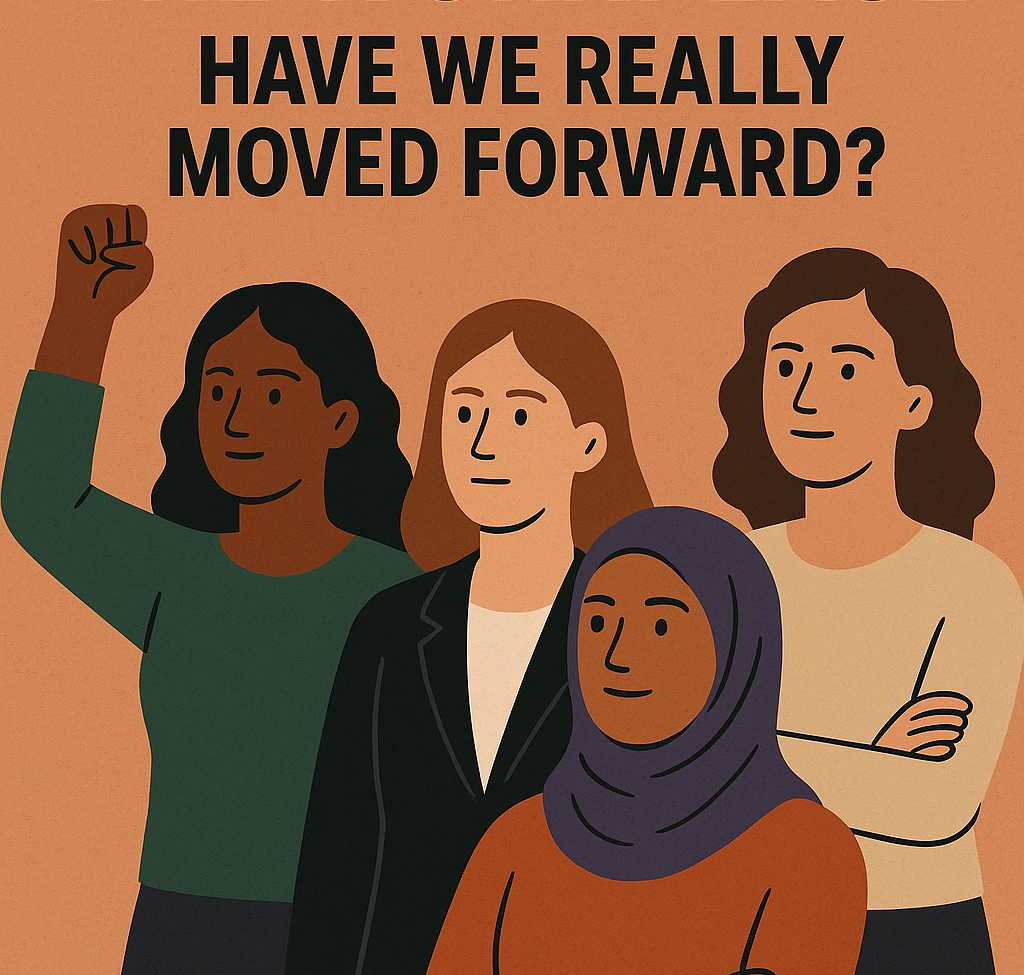
RETHINKING D&I FOR WOMEN IN THE MODERN WORKPLACE

First, in the modern business landscape the concept of D&I (diversity and inclusion) has evolved from corporate buzzwords into fundamental pillars of organizational success. The term appeared for the first time around 2019, continuing its development even nowadays. It is a strategy of inclusion, whose principal concern are people and, for this reason, it fits perfectly HR processes. However, meanwhile business companies proudly showcase their commitment to gender equity, many women still face barriers such as unequal pay and limited leadership opportunities, plus microaggressions that eventually undermine their self-confidence and belonging. Here it comes another question: how can companies face this problem? It is not easy to come to just a solution because addressing these challenges in everyday life requires more than policies; in fact, it demands a cultural transformation.
Lately, progress has often been measured by using statistics: how many women are hired, how many reach management roles, how many sit on boards. Representation matters and there is no doubt about it but, at the same time, inclusion goes deeper than headcount. In this case it is crucial to create a working environment in which women can feel heard, respected and safe. This means shifting from token representation to genuine empowerment, where women can lead authentically, without being expected of conforming to outdated notions of leadership.
Despite a growth of awareness, the leadership gap remains significant. According to global studies, women occupy less than one-third of senior management roles, and even fewer lead major corporations.
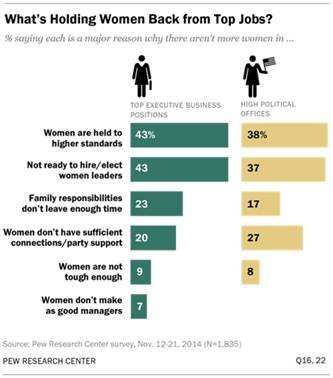
There are several reasons behind this: among all, they are perceived as too soft when they show empathy or even too aggressive when it comes to being assertive. Modern businesses must address these cultural stereotypes through mentoring, sponsorship programs, and transparent advancement criteria that value diverse leadership roles.
Nevertheless, true inclusion requires a shift in mindset. It starts with leaders who actively listen, challenge bias and model inclusive behaviour. This can thrive in organizations that prioritize flexibility, support a work-life balance and, lastly, recognize that careers trajectories are not one-size-fits-all. This means that women can have the possibility to recognize themselves as a symbol of empowerment and to be able to share ideas and experiences without the fear of being judged. Inclusive policies are critical starting points, but it is not only about that because what must be done in this case is to let inclusion be an important part of workplaces, so for example in how teams collaborate, how feedback is given and how success is celebrated.
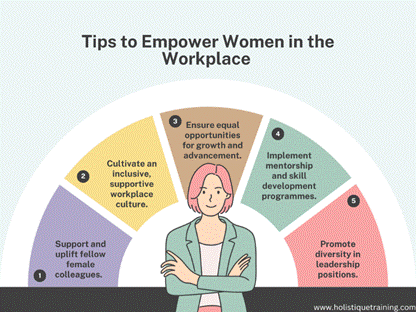
Beyond fairness, inclusion is a strategic advantage. Companies that elevate women into leadership roles not only reflect the world they serve but also strengthen resilience and adaptability in times of change. Diversity fuels innovation; inclusion ensures it’s sustainable. The next generation of women leaders is already watching how today’s businesses respond. They, in fact, seek workplaces where authenticity is valued and diversity is truly felt as important.
In conclusion, D&I for women in modern business is not just a moral imperative, it’s an economic and cultural necessity. When organizations move beyond performative gestures to build equitable systems and inclusive cultures, they unlock the full potential of their people. The future of business belongs to those who understand that empowering women it’s not simply “the right thing to do”, but it is a strategy for success.